PTE Exam for Australia: Your Gateway to Success
Are you planning to study or settle in Australia? If so, mastering English proficiency is your first step. The Pearson Test of English Academic (PTE Academic) is a pivotal exam that can pave your way to achieving your dreams Down Under. Let’s dive into everything you need to know about the PTE Exam for Australia.

Introduction to PTE Academic
The PTE Academic is not just any English test; it’s a comprehensive assessment designed to measure your ability to communicate effectively in academic and professional settings. It evaluates your skills in speaking, writing, reading, and listening through a computer-based format.
Structure of the PTE Academic Exam
The PTE Academic exam is not just a standard language test; it’s a comprehensive assessment designed to thoroughly evaluate your English language skills across various dimensions. Understanding its structure is crucial for anyone preparing to take this exam for Australia.
Speaking Section: Express Yourself Fluently
In the Speaking section, you’ll encounter tasks that assess your ability to communicate effectively in spoken English. You’ll be prompted to speak about familiar topics, respond to questions, and engage in simulated real-life scenarios.
Writing Section: Articulate Your Thoughts Clearly
The Writing section challenges you to demonstrate your ability to express ideas clearly and coherently in written English. Tasks include summarizing written texts, writing essays, and responding to questions based on given prompts.
Reading Section: Comprehend and Analyze
In the Reading section, you’ll encounter tasks designed to evaluate your ability to comprehend and analyze written English texts. These tasks include multiple-choice questions, re-ordering paragraphs to reconstruct a text, and filling in blanks with appropriate words.
Listening Section: Tune Into English Proficiency
The Listening section measures your ability to understand spoken English in academic and everyday contexts. Tasks include listening to audio recordings of lectures, conversations, and presentations, and then answering questions based on what you heard.
This detailed overview of the PTE Academic exam structure equips you with essential insights to navigate this critical milestone in your journey to Australia.
Acceptance of PTE Academic in Australia
The acceptance of the PTE Academic exam in Australia extends beyond its role as a language proficiency test; it serves as a pivotal tool for individuals aiming to study, work, or immigrate to Australia. Understanding where and how PTE scores are accepted across various sectors:
Accepted by Australian Universities and Colleges
Australian universities and colleges widely recognize PTE Academic scores as proof of English language proficiency for admission purposes. Institutions such as the University of Melbourne, Australian National University, and University of Sydney accept PTE scores alongside other standardized tests like IELTS and TOEFL.
Approved for Australian Student Visas
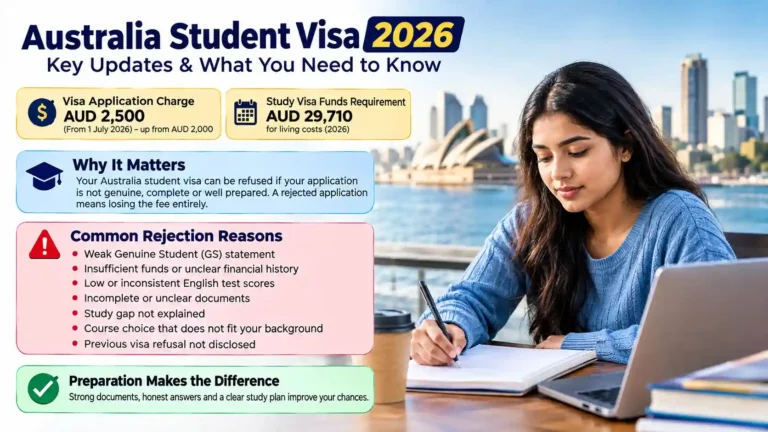
PTE Academic scores are crucial for obtaining Australian student visas, including Subclass 500 visas. The Australian Department of Home Affairs accepts PTE scores as evidence of English language proficiency for visa application purposes.
Recognized for Professional Registration and Licensing
Beyond education, PTE Academic scores are accepted by various professional bodies and licensing authorities in Australia. Professionals seeking registration or certification in fields such as nursing, engineering, teaching, and accounting may submit their PTE scores as part of their application process.
Employment and Immigration Purposes
Many employers in Australia recognize PTE Academic scores as evidence of English proficiency when assessing job applicants. Industries such as information technology, healthcare, finance, and hospitality value employees who can communicate effectively in English. Additionally, PTE scores contribute towards points calculations for skilled migration visas, such as the Skilled Independent Visa (subclass 189) and Skilled Nominated Visa (subclass 190), under Australia’s points-based immigration system.
Accepted for Scholarships and Funding Opportunities
Scholarship providers in Australia often require applicants to demonstrate English language proficiency through standardized tests like PTE Academic. Scholarships offered by universities, government bodies, and private organizations may specify minimum PTE score requirements as part of their eligibility criteria.
The widespread acceptance of PTE Academic in Australia underscores its importance as a reliable measure of English language proficiency across educational, professional, and immigration domains. Whether you are a student aspiring to study at a prestigious Australian university, a professional seeking career opportunities, or an individual pursuing permanent residency, achieving a strong PTE score opens doors to fulfilling your ambitions in Australia.
PTE Eligibility Score for Australia
Wondering if you’re eligible to take the PTE Academic exam? Here’s what you need to know:
- Qualifications: There are no specific educational requirements to take the PTE test. Whether you’re a student or a professional, you can sit for the exam.
- Age Requirement: Candidates must be at least 16 years old to take the PTE Academic. If you’re under 18, you’ll need parental consent to register.
- Attempts: Good news! There’s no limit to how many times you can attempt the PTE exam. You can retake it until you achieve your desired score.
- Global Recognition: The PTE certificate is recognized in numerous countries worldwide, including Canada, Australia, USA, UK, Ireland, Singapore, New Zealand, France, Germany, Spain, and Italy. This makes it a valuable credential for various international purposes.
PTE Scores and Australia PR
Understanding how PTE scores influence Australia’s Permanent Residency (PR) requirements is essential for prospective immigrants. PTE scores are categorized into several proficiency levels:
- Functional English: This level requires a minimum score of 30 across all PTE components. It’s a basic requirement but doesn’t contribute points towards PR.
- Vocational English: Applicants need at least 36 in each component. It ensures PR eligibility but doesn’t add points.
- Competent English: Achieving at least 50 in each component is necessary. It meets requirements but doesn’t award points.
- Proficient English: This level requires a minimum of 65 in each component, granting 10 points towards the PR application.
- Superior English: Applicants must score at least 79 in each component, earning the maximum 20 points towards PR.
Impact on Points-Based Visas: PTE scores play a crucial role in points-based skilled migration visas like subclass 189 or 190, enhancing eligibility and points tally.
Validity and Timeliness: PTE scores must be obtained within three years before the PR application date, ensuring current language proficiency standards.
Strategic Preparation: Prospective applicants should prepare strategically, focusing on test format, question types, and time management to achieve required scores effectively.
PTE Proficiency Level | Minimum Score Required | Points Awarded towards PR |
Functional English | 30 in each component | Not eligible for PR points |
Vocational English | 36 in each component | Not eligible for PR points |
Competent English | 50 in each component | Eligible for PR, but no points |
Proficient English | 65 in each component | 10 points towards PR |
Superior English | 79 in each component | 20 points towards PR |
Preparing for the PTE Academic
- Take Practice Tests Practice tests are invaluable for familiarising yourself with the exam format and timing. They help identify your strengths and weaknesses, allowing you to focus your study efforts more effectively.
- Enrol in a Preparation Course Joining a PTE preparation course can provide structured learning and expert guidance. These courses often offer personalised feedback and tips to improve your performance.
- Work with a Tutor A tutor can offer one-on-one assistance tailored to your specific needs. They can help you improve areas where you struggle the most, whether it’s speaking, writing, reading, or listening.
- Use Official PTE Study Materials The official PTE website offers a range of study materials, including sample questions and practice tests. These resources are designed to give you a realistic idea of what to expect on test day.
- Focus on Time Management Each section of the PTE exam has a strict time limit, so practising time management is crucial. Use timed practice tests to get used to the pace you need to maintain during the exam.
- Improve Your English Skills Daily Incorporate English into your daily routine by reading books, watching English movies, and listening to podcasts. Engaging with the language regularly helps improve your overall proficiency.
- Review and Expand Your Vocabulary A strong vocabulary is essential for the PTE Academic exam. Use flashcards, vocabulary lists, and apps to learn new words.
- Practise Speaking Clearly Clear and confident speaking is crucial for the speaking section of the PTE. Practise speaking in English every day, paying attention to your pronunciation and fluency.
- Stay Calm and Focused Maintaining a calm and focused mindset is important for success. Develop relaxation techniques such as deep breathing or meditation to help manage stress.
Validity and Timing of PTE Scores
- Validity of PTE Scores PTE scores are valid for three years from the test date. This means you have a three-year window to use your scores for visa applications or university admissions.
- Timing for Visa Applications When applying for an Australian visa, you must ensure your PTE scores are still valid at the time of your application or invitation. Different visa subclasses may have specific requirements about when you need to submit your scores.
- Timing for University Admissions For university admissions, make sure your scores are valid for the application deadlines. Universities typically require that your scores are valid both at the time of application and at the start of your course.
- Re-taking the Test If your scores are about to expire or if you wish to improve your scores, consider re-taking the PTE exam. You can take the test multiple times, and your best scores can be used for applications.
- Managing Expiring Scores If your scores are nearing expiration, act quickly to use them before they become invalid. For visa applications, ensure all documentation is submitted while the scores are still valid.
FAQ
Q: Which PTE test is required for Australia?
Ans: The PTE Academic test is the required English proficiency test for Australia, accepted for various purposes including study visas and permanent residency applications.
Q: Is PTE easier than IELTS?
Ans: The difficulty of PTE versus IELTS can vary depending on individual strengths. Some find PTE easier due to its computer-based format, while others may prefer the structure of IELTS.
Q: How much PTE score is accepted in Australia?
Ans: In Australia, the accepted PTE score varies depending on the visa category. For skilled migration visas, scores ranging from 50 to 79 are typically required for eligibility and points allocation.
Q: Is PTE better than IELTS for Australia?
Ans: The choice between PTE and IELTS often depends on personal preference and the requirements of the institution or visa program. PTE is known for its quicker results and computer-based format, which some find advantageous.
Q: Which is more expensive, IELTS or PTE?
Ans: The cost of IELTS and PTE exams can vary by location and test center. Generally, PTE tends to be slightly more expensive than IELTS in many regions, though prices can fluctuate.
Conclusion
Mastering the PTE Academic isn’t just about passing a test; it’s about setting yourself up for success in Australia. Whether you’re aiming for higher education or permanent residency, your PTE scores can make a significant difference. Start preparing today, and pave your way to a brighter future in Australia!
This guide equips you with essential information about the PTE Exam for Australia, ensuring you’re ready to take on this pivotal step in your journey.